One of the best things about birdwatching on the East Coast is how much it changes with the seasons. Whether you’re catching warblers in the spring or scanning the skies for hawks in the fall, every season has something special to offer. Here’s a guide to what you can expect throughout the year and how to make the most of your birding adventures.
Spring: The Grand Migration (March–May)
Spring is like a parade for birdwatchers. Birds are migrating north after the winter, showing off their brightest feathers and singing their hearts out. It’s one of the busiest and most exciting times of the year.
What to Look For:
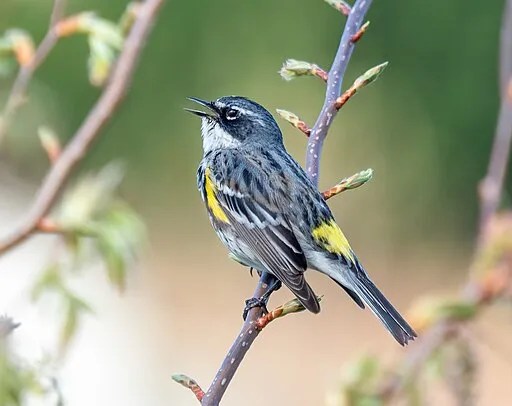
• Warblers: These tiny, colorful songbirds steal the show. Look for Yellow Warblers, Black-and-white Warblers, and American Redstarts flitting through the trees.
• Thrushes: Wood Thrushes and Hermit Thrushes are known for their haunting, flute-like songs.
• Hummingbirds: Ruby-throated Hummingbirds, the East Coast’s only hummingbird species, start arriving in April.
Where to Go:
• Central Park, NYC: The Ramble is famous for warbler sightings in May.
• Cape May, NJ: This migration hotspot attracts songbirds, hawks, and even butterflies.
• Acadia National Park, ME: A great place to catch early seabirds like puffins.
Tips:
• Go early! Birds are most active at dawn.
• Download a birding app to help identify species by their songs or appearance.
Summer: Bird Families in Action (June–August)
Summer is all about birds nesting and raising their young. While the flashy migrations have passed, this is the time to watch for interesting behaviors like feeding and fledging.
What to Look For:
• Songbirds: Orioles, Eastern Bluebirds, and Tree Swallows are busy bringing food to their nests.
• Herons and Egrets: You’ll spot these elegant waders in wetlands.
• Ospreys: These fish-catching raptors put on a show along the coast.
Where to Go:
• Shenandoah National Park, VA: Listen for the clear whistles of Scarlet Tanagers.
• Chesapeake Bay, MD: Home to Ospreys, Bald Eagles, and an abundance of waterbirds.
• Outer Banks, NC: A fantastic spot for shorebirds and wading birds.
Tips:
• Bring water and sunscreen — summer birding can get warm.
• Watch for nests, but keep your distance to avoid stressing the birds.
Fall: The Journey South (September–November)
Fall migration is like spring in reverse, but with a calmer vibe. Birds are heading south, often gathering in large flocks. It’s also a great time to spot hawks soaring above ridgelines.
What to Look For:
• Hawks: Broad-winged Hawks travel in kettles (large flocks) along mountain ridges.
• Ducks: Waterfowl like Northern Pintails and American Black Ducks start arriving in marshes and ponds.
• Sparrows: Look for White-throated Sparrows and Dark-eyed Juncos scratching around the underbrush.
Where to Go:
• Hawk Mountain Sanctuary, PA: One of the best places to watch raptor migration.
• Plum Island, MA: The Parker River Wildlife Refuge is packed with shorebirds and ducks.
• Cape Cod, MA: A hotspot for sea ducks and migrating songbirds.
Tips:
• Bring binoculars or a spotting scope for distant birds.
• Dress in layers — fall mornings can be chilly, but it warms up quickly.
Winter: A Quiet Magic (December–February)
Winter may seem quieter, but it’s the perfect time to see some hardy residents and northern visitors. Plus, snow-covered landscapes make it easier to spot birds against the white background.
What to Look For:
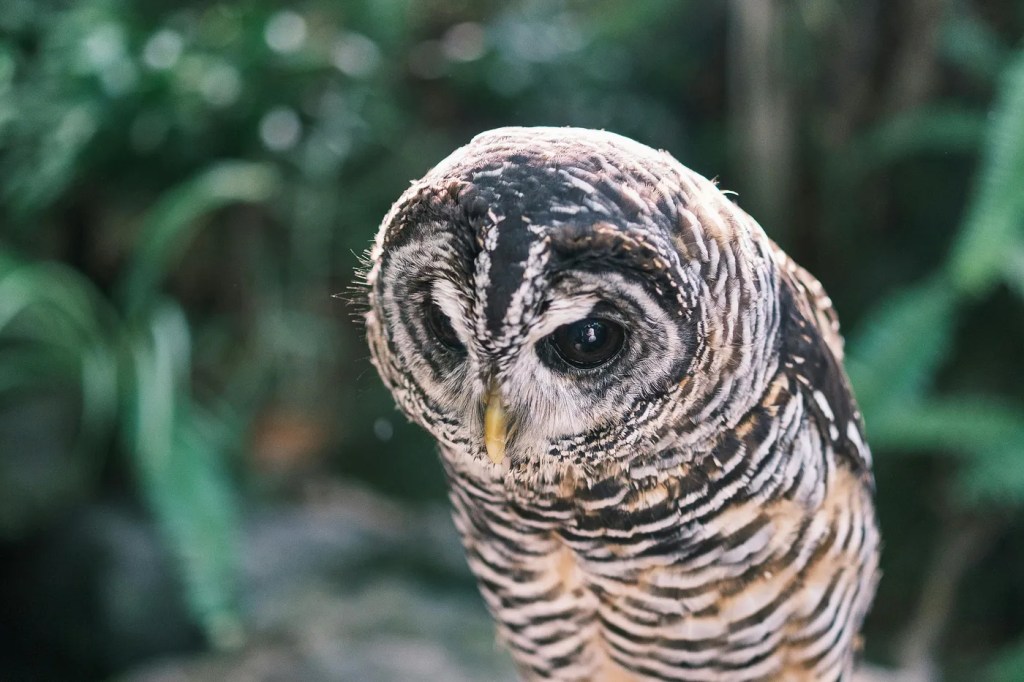
• Owls: Barred Owls and Great Horned Owls are more active during the winter.
• Winter Finches: Pine Siskins and Evening Grosbeaks sometimes make surprise appearances in “irruption” years.
• Sea Ducks: Common Eiders and Long-tailed Ducks are common along the coast.
Where to Go:
• Boston Harbor Islands, MA: Great for wintering sea ducks.
• Bombay Hook National Wildlife Refuge, DE: A haven for waterfowl and Bald Eagles.
• Your Backyard: Keep a feeder stocked and watch for juncos, cardinals, and woodpeckers.
Tips:
• Dress warmly — layers are your friend.
• A thermos of hot coffee makes winter birding even better.
 Rena Birds
Leave a comment