Los Angeles, 2025 — Smoke now hangs over much of the basin, an unmistakable sign that the worst wildfire crisis in modern Los Angeles history continues to unfold. Preliminary estimates suggest the Palisades and Eaton fires have consumed more than 25,000 acres, an area bigger than many entire cities, and destroyed upward of 10,000 structures combined. For a state long accustomed to wildfires, the sheer impact so close to dense urban centers is alarming, with mandatory evacuations forcing thousands of residents to seek shelter or flee the region altogether.
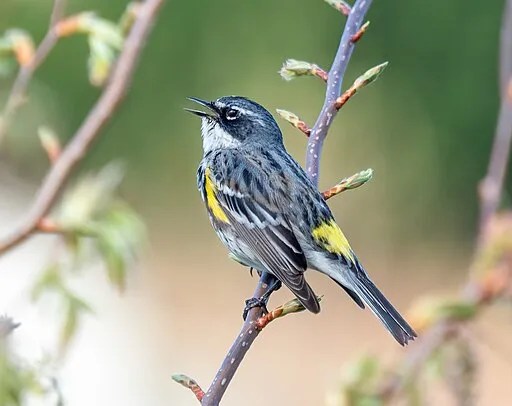
What’s less visible, yet equally unsettling, is the flight of the city’s birdlife. Ornithologist Dr. Roger J. Lederer once remarked on the 2018 Camp Fire that, “Birds navigate using a number of clues: the sun, the moon, the stars, landmarks, geomagnetic lines of force, and perhaps infrasound. Under a layer of smoke, the easiest clues to use, the celestial bodies and landmarks are obscured or not visible at all.”
Seven years later, the Palisades and Eaton fires scorch chaparral and scrubland, the natural hiding spots for quail, wrens, and countless other songbirds. In better times, such habitats bounce back within a few seasons, spurring new insect growth that feeds woodpeckers and other opportunists. But with larger, more frequent burns, birds of all types are finding it harder to settle in, let alone thrive. While hummingbirds are nimble and can relocate to gardens or patches of urban greenery, heavier smoke in the air and a general scarcity of flowers can still force them out of their usual feeding spots.
Of course, the human tragedy is immense. Families, including my own, facing evacuation often have minutes to pack belongings and leave behind homes, memories, and even pets. Yet this shared sense of displacement underscores how tightly the fates of people and wildlife are woven together in Los Angeles. When officials describe entire neighborhoods going up in flames, it isn’t only property that vanishes, but green spaces that countless birds rely on for survival. And for Angelenos who have grown used to waking up to a chorus of finches or the occasional hawk overhead, that silence can be a stark reminder of how swiftly a crisis can reshape our environment.
It may feel overwhelming, but small actions can help. Native-plant gardens, established after the smoke clears, give birds a place to forage and nest. Logging any unusual bird sightings (or lack thereof) through platforms like eBird or iNaturalist helps organizations like Audubon keep track of shifting populations. And while the scale of these record-breaking fires can make individual efforts seem tiny, every bit of habitat restoration or data collection makes a difference in a city grappling with a hotter, drier future.
The grim statistics (thousands of homes lost, toxic air quality, and fragile ecosystems stripped bare) paint a daunting picture. But if there’s any lesson to be drawn from Los Angeles’s worst wildfire season on record, it’s that the health of a city and the health of its wildlife are never separate concerns. When flocks disappear from their usual skies, it’s not just a tragedy for birdwatchers; it’s a warning that the balance sustaining us all is teetering. And in this challenging chapter for the City of Angels, paying attention to the birds above may be one of the best ways to understand what’s happening on the ground and what must change if we hope to keep this place livable for every species.
How to help
This is a great list compiled by the LA Times and another one by Axios. But, a good starting point is GoFundMe, which has compiled a list of verified fundraisers, including one to benefit the Los Angeles Fire Department.
 Rena Birds
Leave a comment